Project Derpbug
When I returned from my winter trip to Boston, my head was full of combat robots and 3D printing machines. My long-submerged childhood dream of building my own personal army of robots had been roused from its slumber. But, I wasn’t sure where to start. I actually didn’t even know how to solder. One of the combat robot people suggested the light spider kit he had used as a kid as a good first project. The search for an insectoid robot kit had begun!
Looking for a suitable kit
It turned out the specific light spider kit he mentioned was either discontinued or out of stock in many places, and most of the websites that did have it also had a minimum order or high shipping. Electronics Goldmine wanted $23 for the little guy! Since shipping made up a large chunk of the cost, I thought that maybe I could look for something similar locally.
Looking for electronics stores in NYC
I was able to get a soldering iron from RadioShack, but everything else there was incredibly expensive and there were no bugbots to be found — only employees desperate to sell me a cell phone contract.
I occasionally came across lists of electronics stores in NYC written up by local bloggers or hackerspaces. Unfortunately, after crosschecking with Yelp, I discovered that many of the suggested stores no longer existed. I made a list of the survivors and went to check them out.
NYU Bookstore
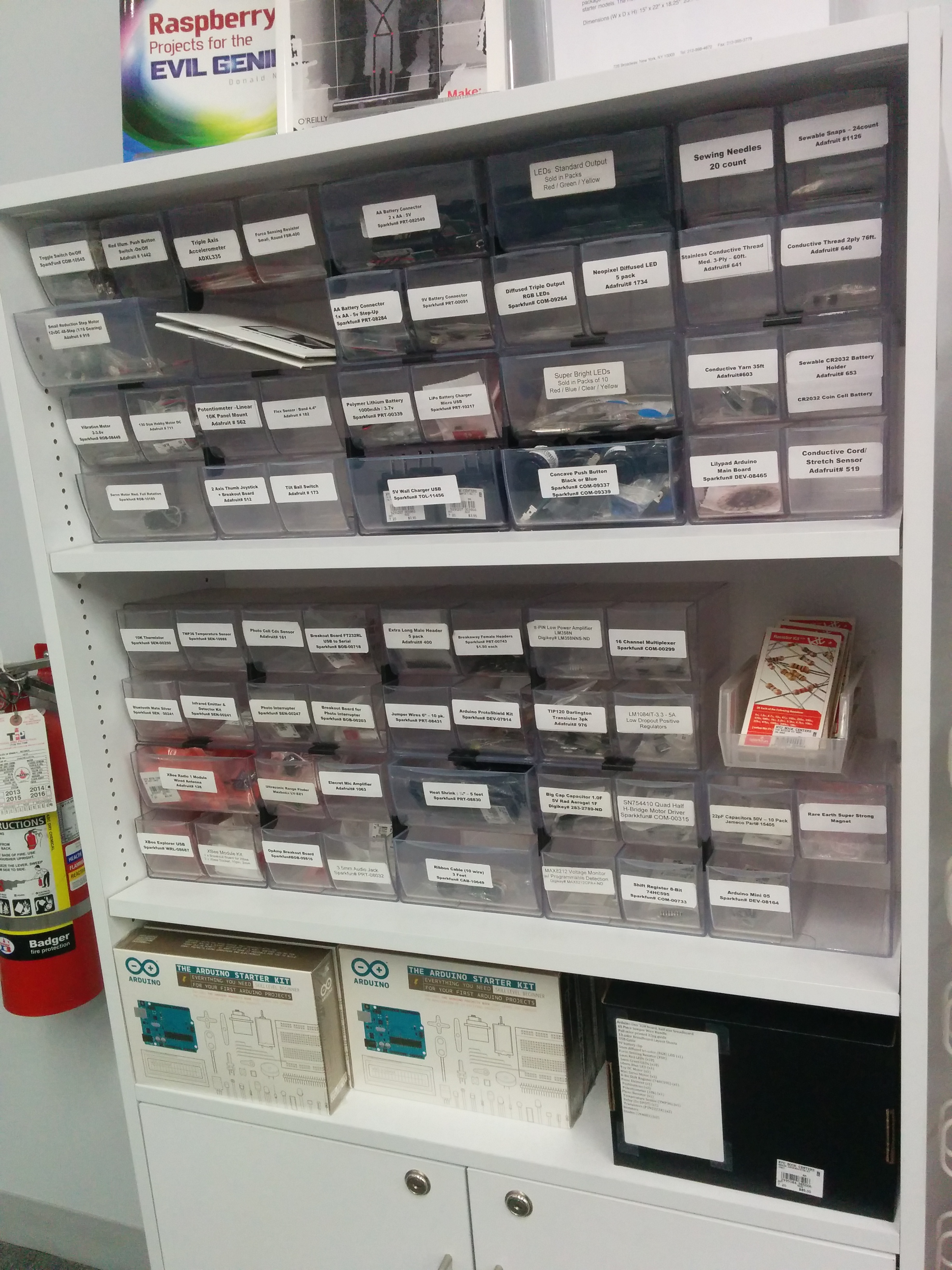
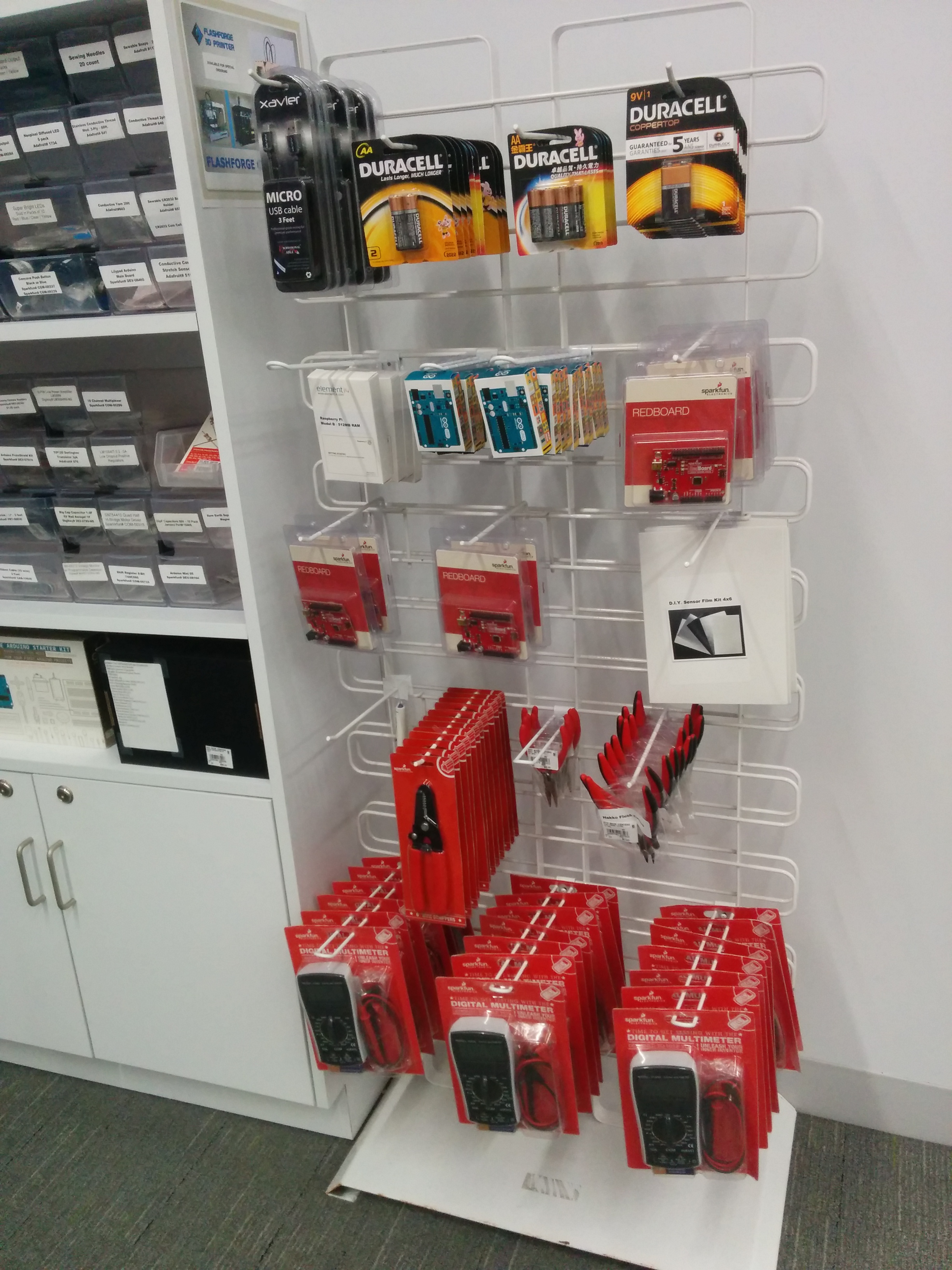
They only had a display of expensive Arduinos and a small selection of accessories…there were no robo-bugs to be found here.
Canal 242
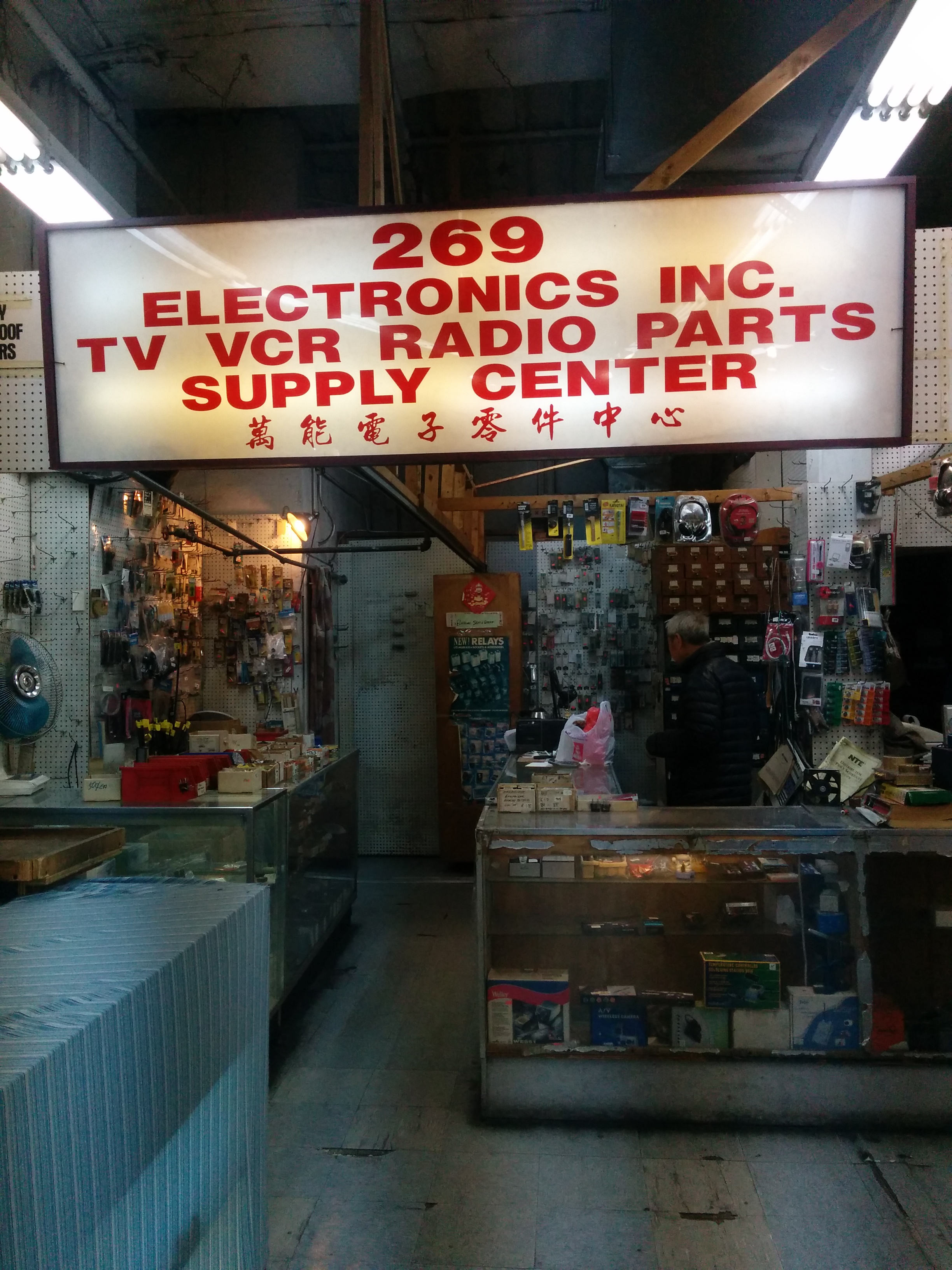
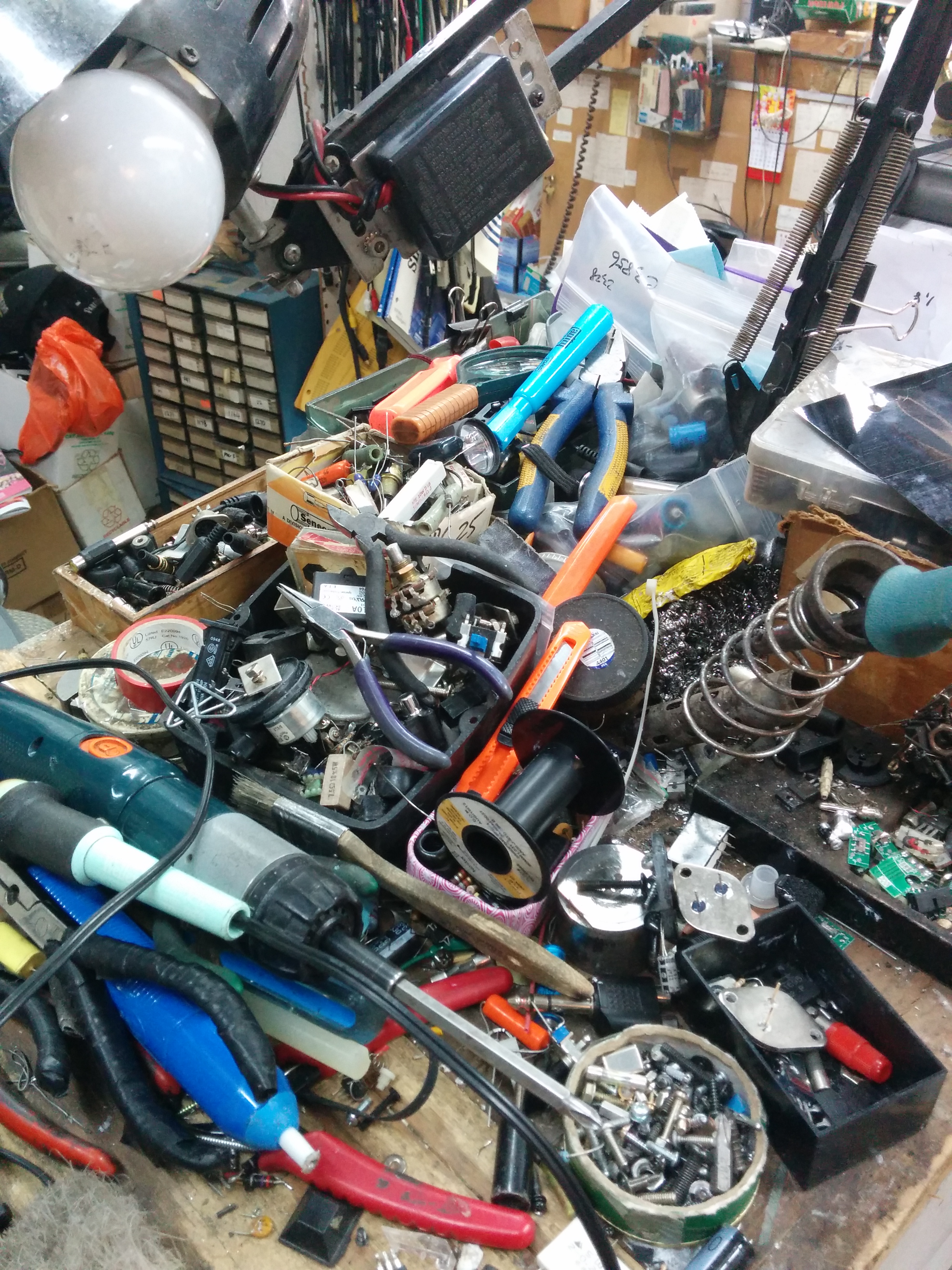
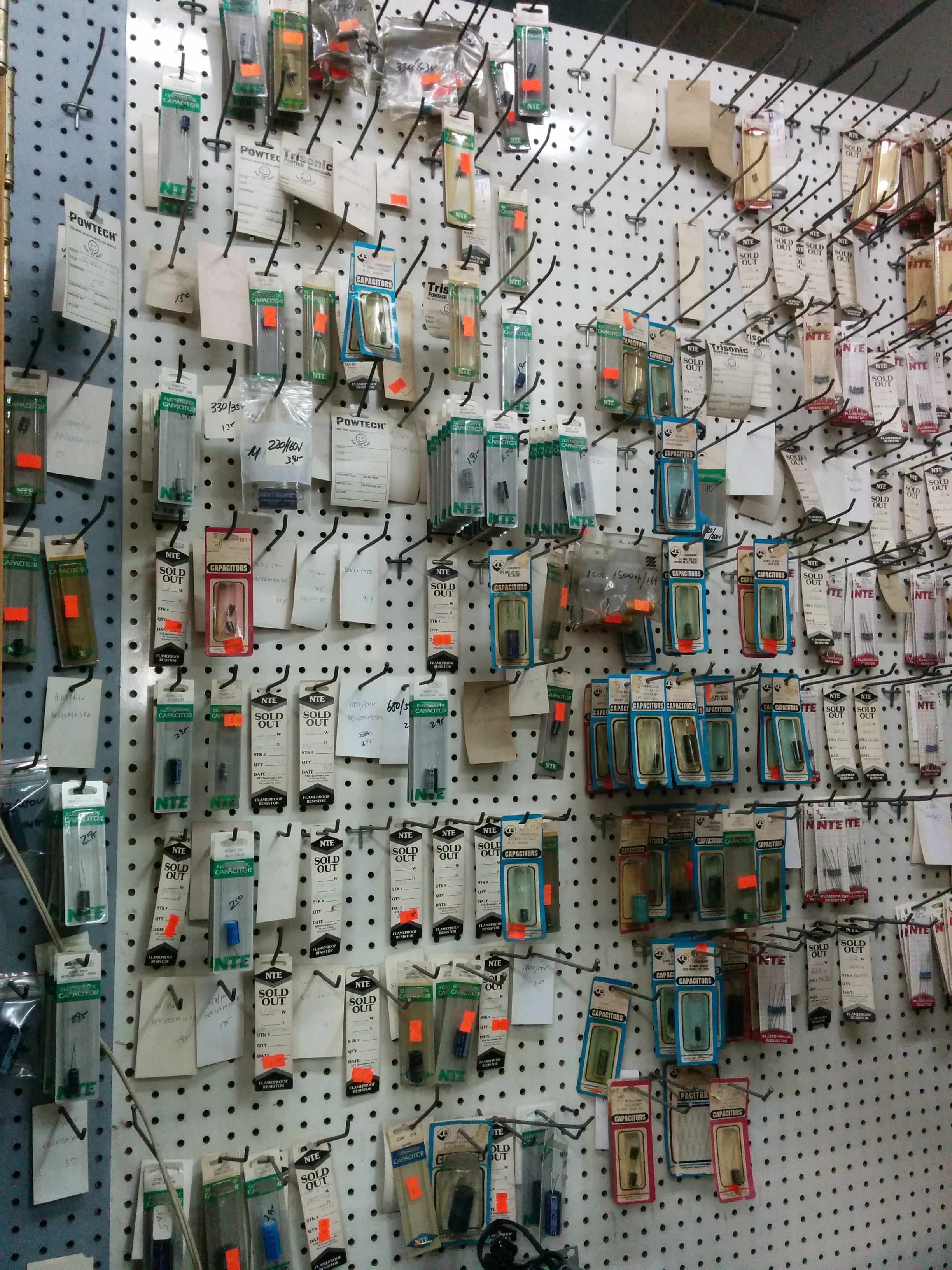
There’s actually an electronics repair center hidden way in the back past several dozen racks of knockoff purses and I <3 NYC t-shirts. The guy behind the counter there had some IC chips and random electronics stuff that he was happy to show off to an interested visitor, but this place focused mostly on repair, not entry-level hobbyist electronics or robotics.
Micro Center
Micro Centers usually carry at least a basic selection of resistors and other electrical components. However, I couldn’t find any robobugs on their website, which saved me the hassle of traveling the not inconsiderable distance out to one of their far-flung NYC locations.
Tinkersphere
Finally, I checked out Tinkersphere. Their website had surfaced a promising candidate, the “running microbug” kit. This looked like it would be fun to build and hopefully not too difficult for a soldering novice.
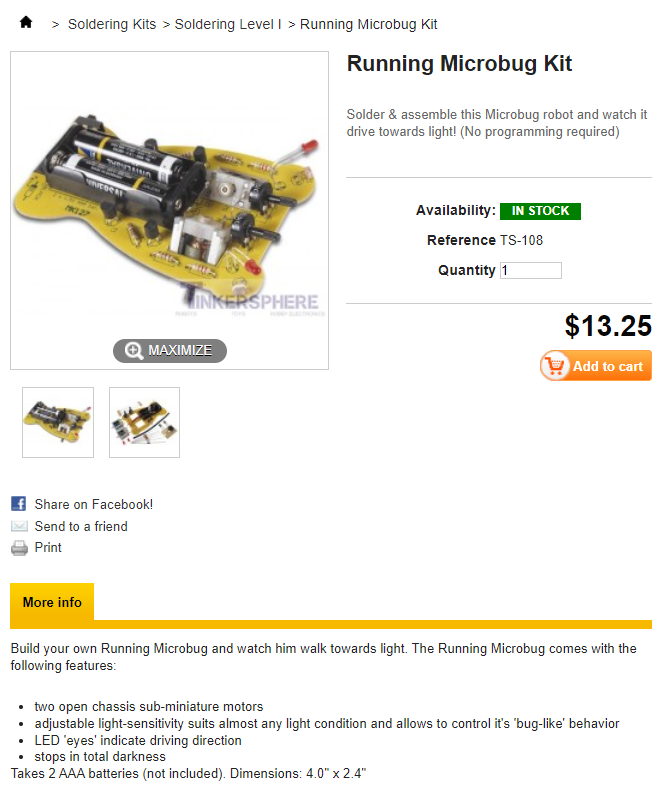
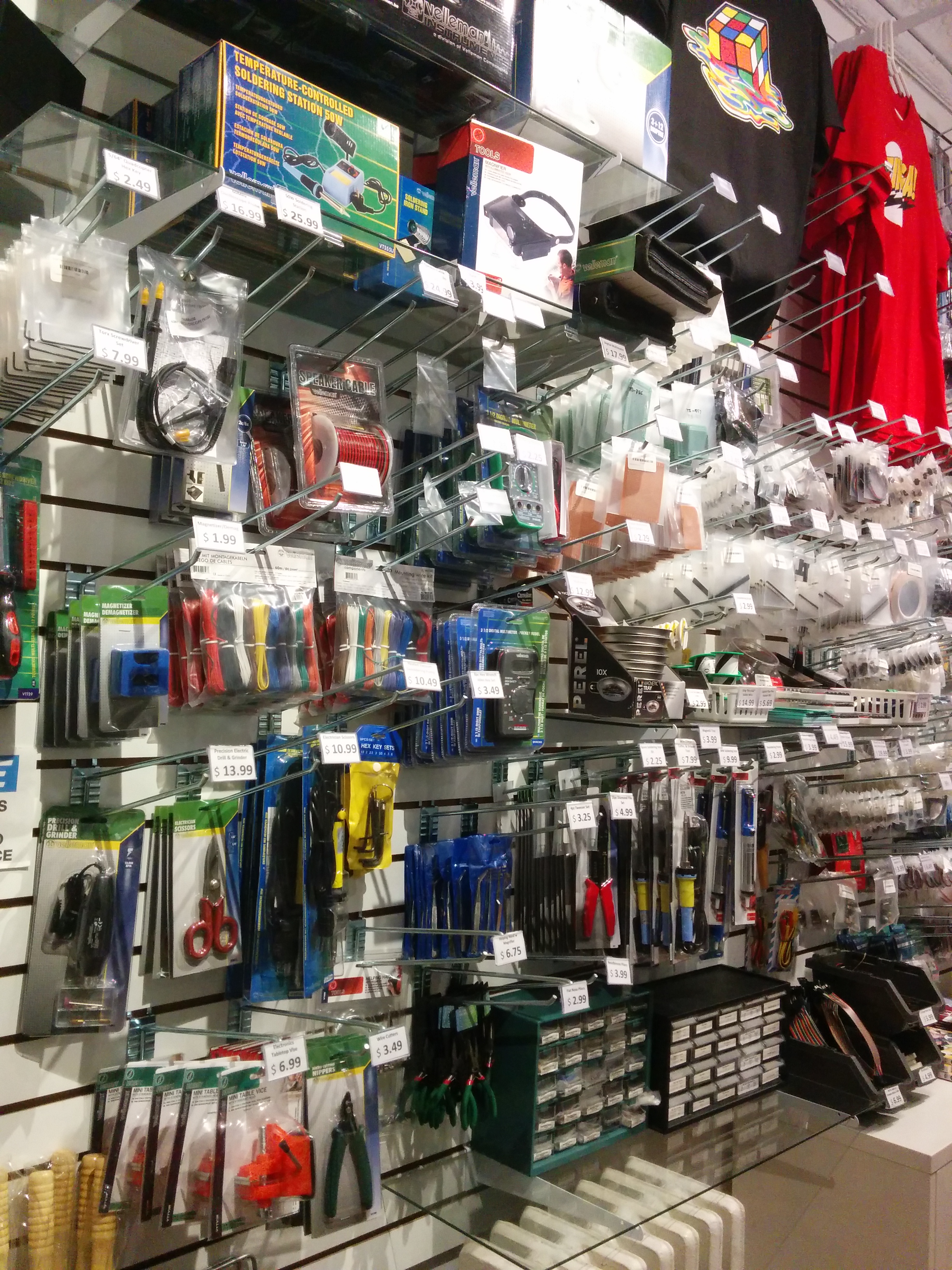
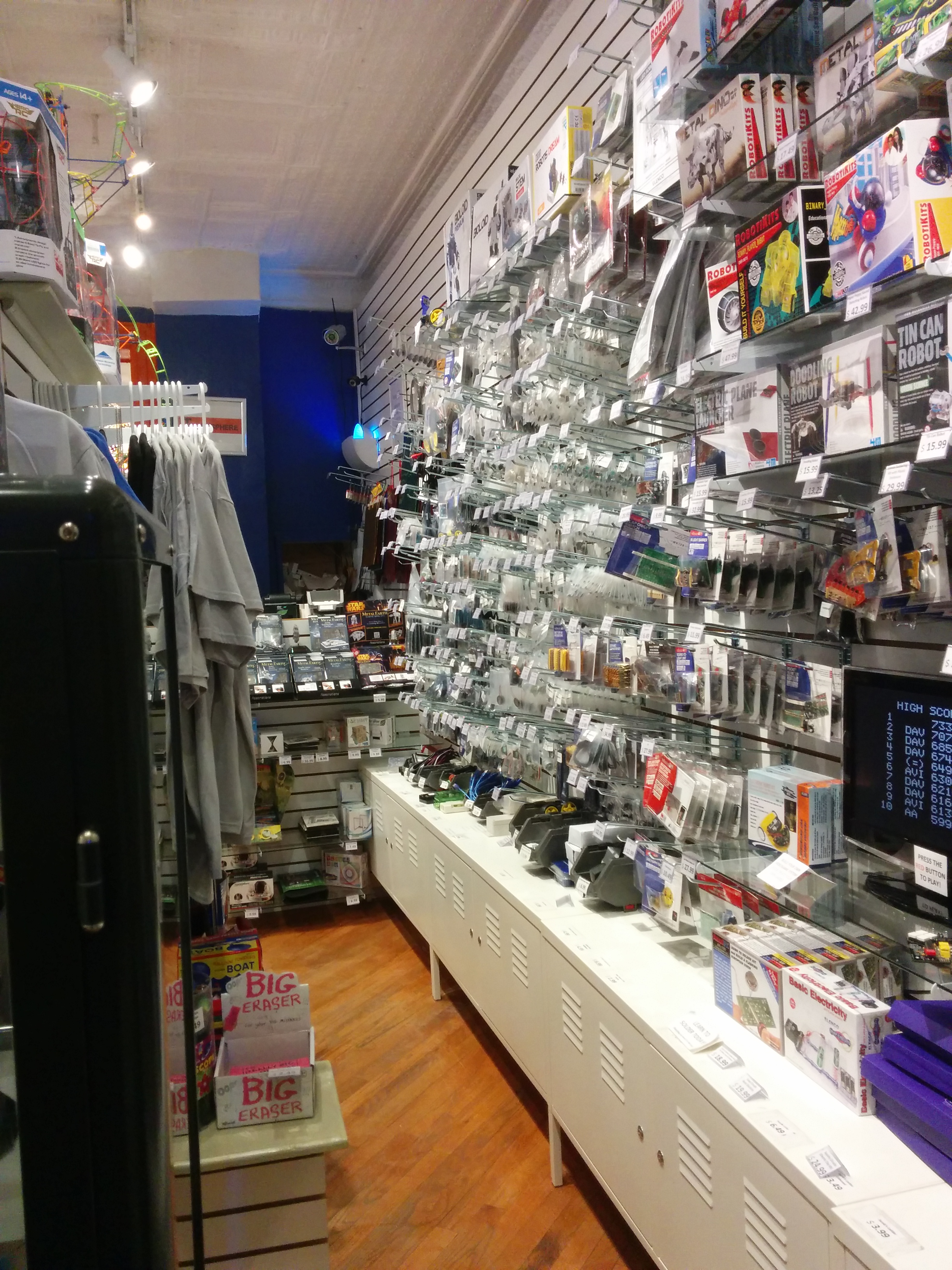
It was a bit of a trek to get there, but when I ventured down to the East Village, I found the store of my dreams. They had a small but well-curated selection of kits and parts for hobby robotics. It might be tiny, but Tinkersphere is the best resource I’ve found for hobby robotics in the NYC area.
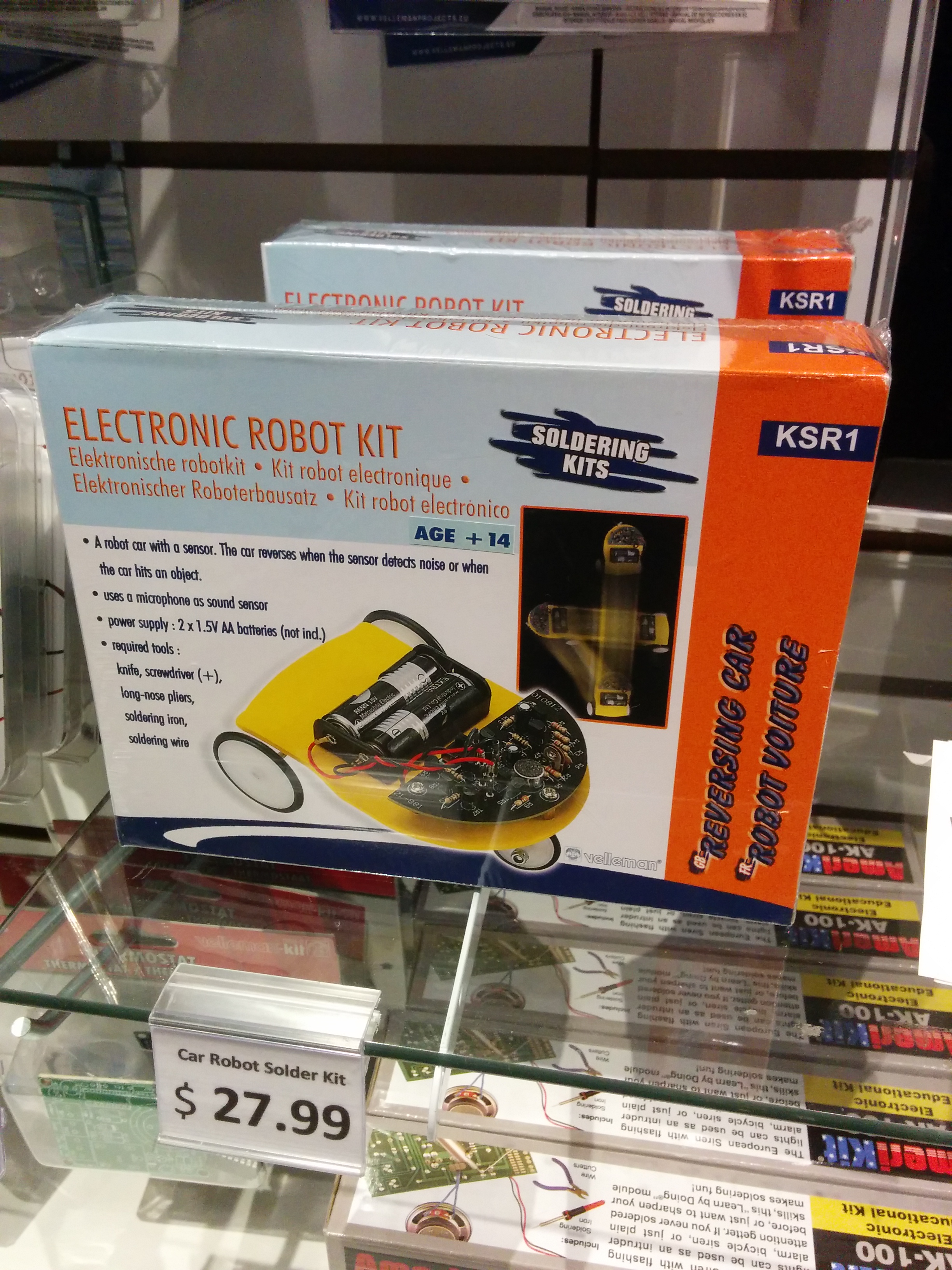
Starting the “build”
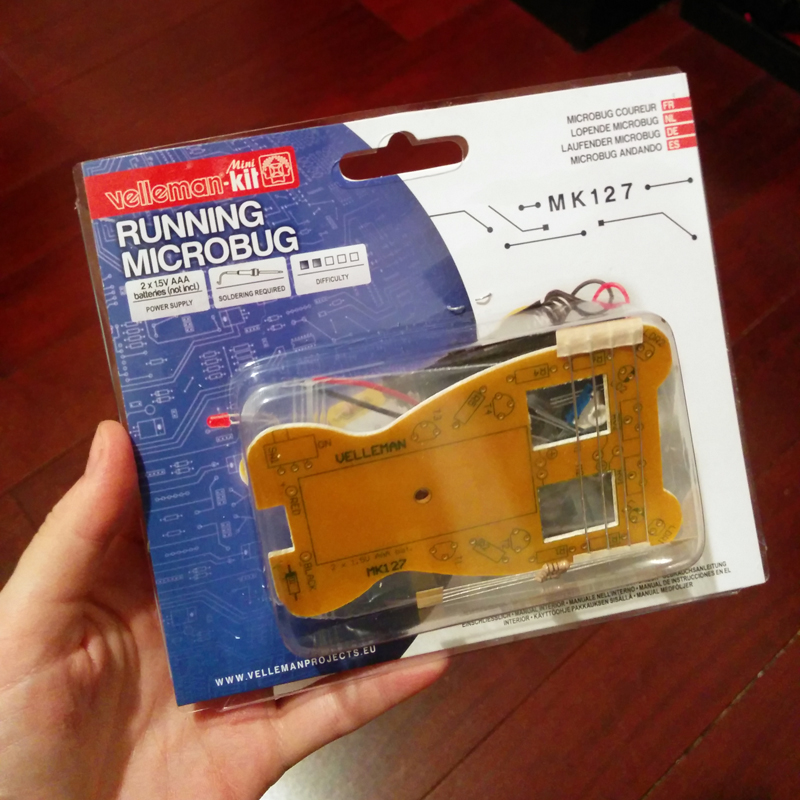
With my new baby bug in hand, I returned home to Harlem to begin assembly.
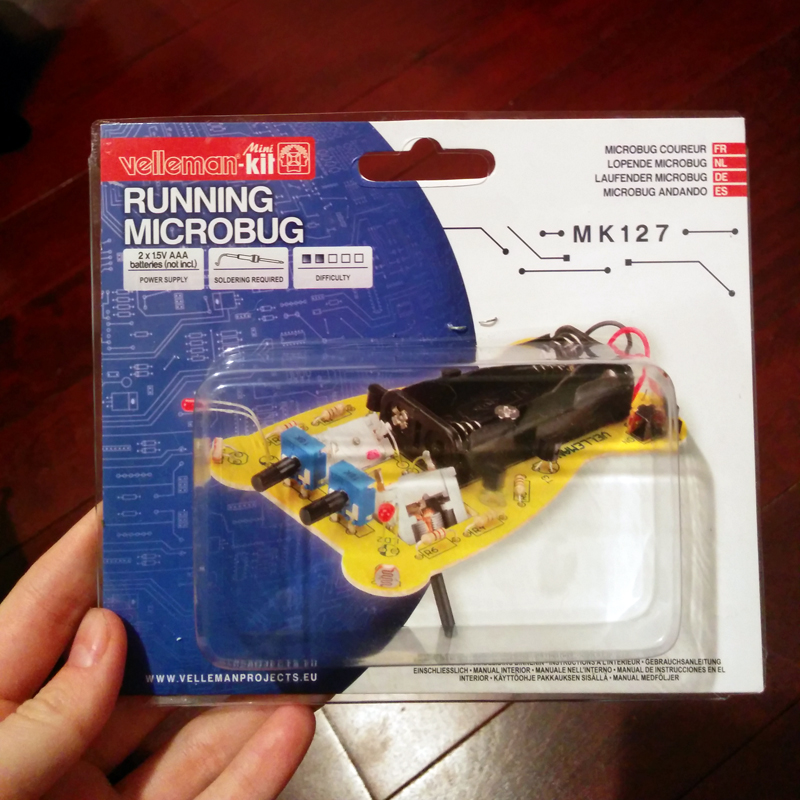
You couldn’t even see what you were supposed to be building until you took it out of the package!
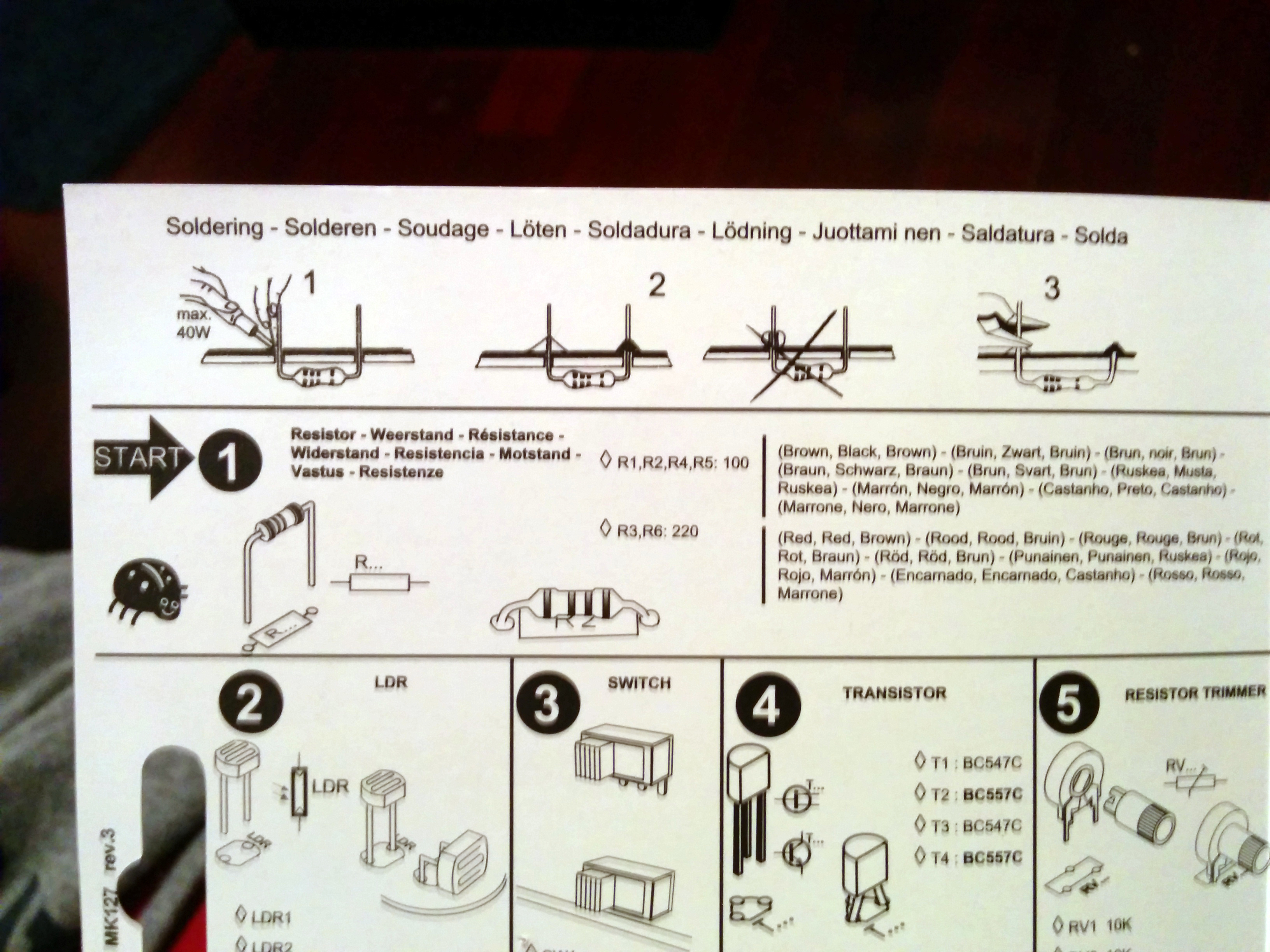
The instructions gave me flashbacks to IKEA furniture assembly with their cryptic pictorial diagrams.
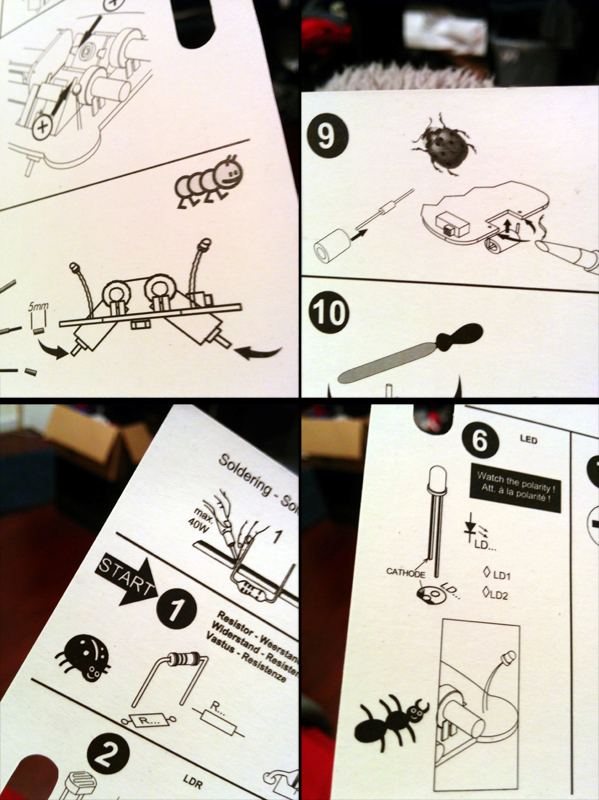
They added these extremely derpy looking little bugs here and there.
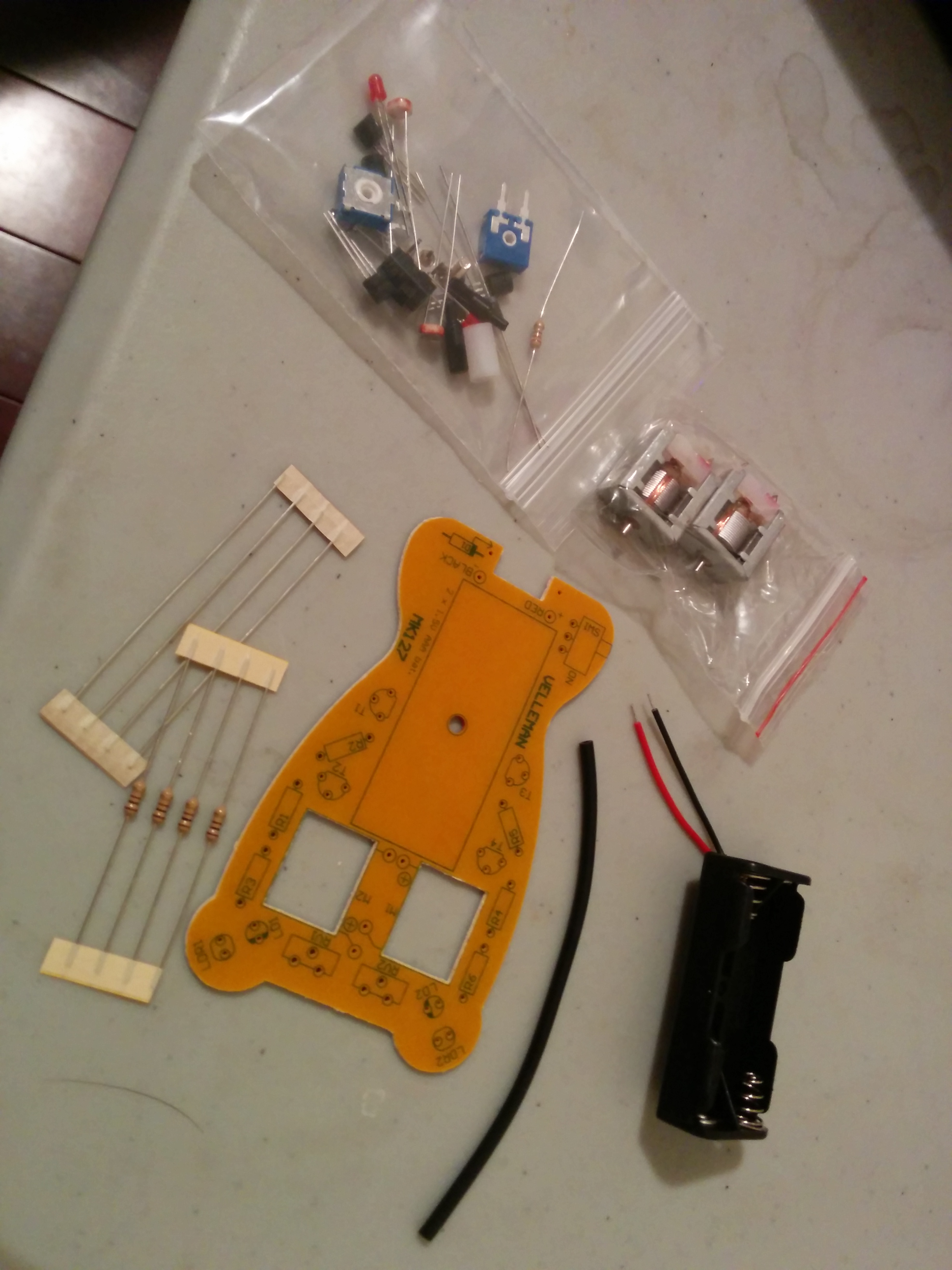
Laying out all the pieces on my workbench.
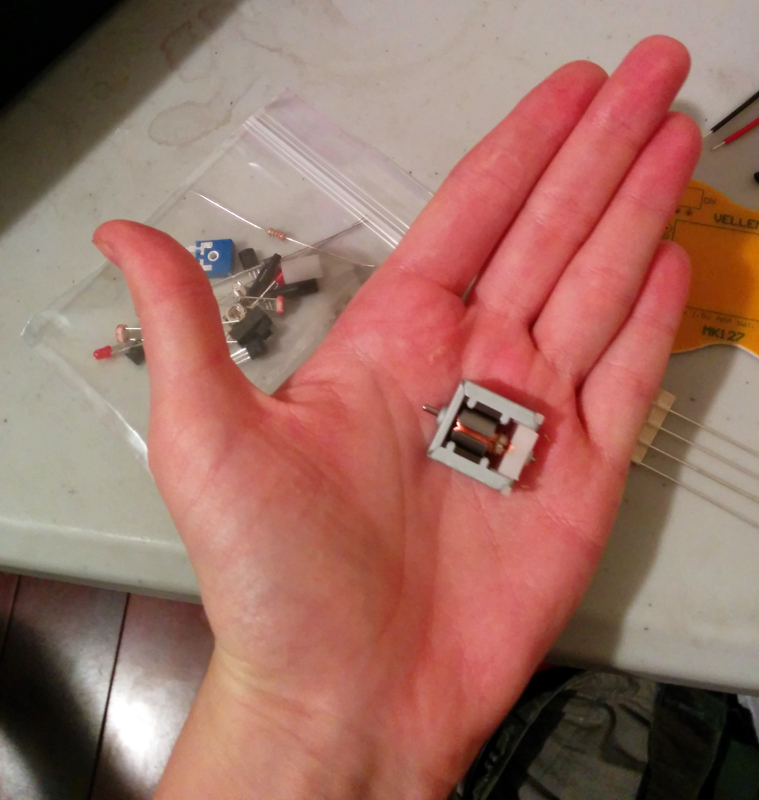
Super tiny DC motors!
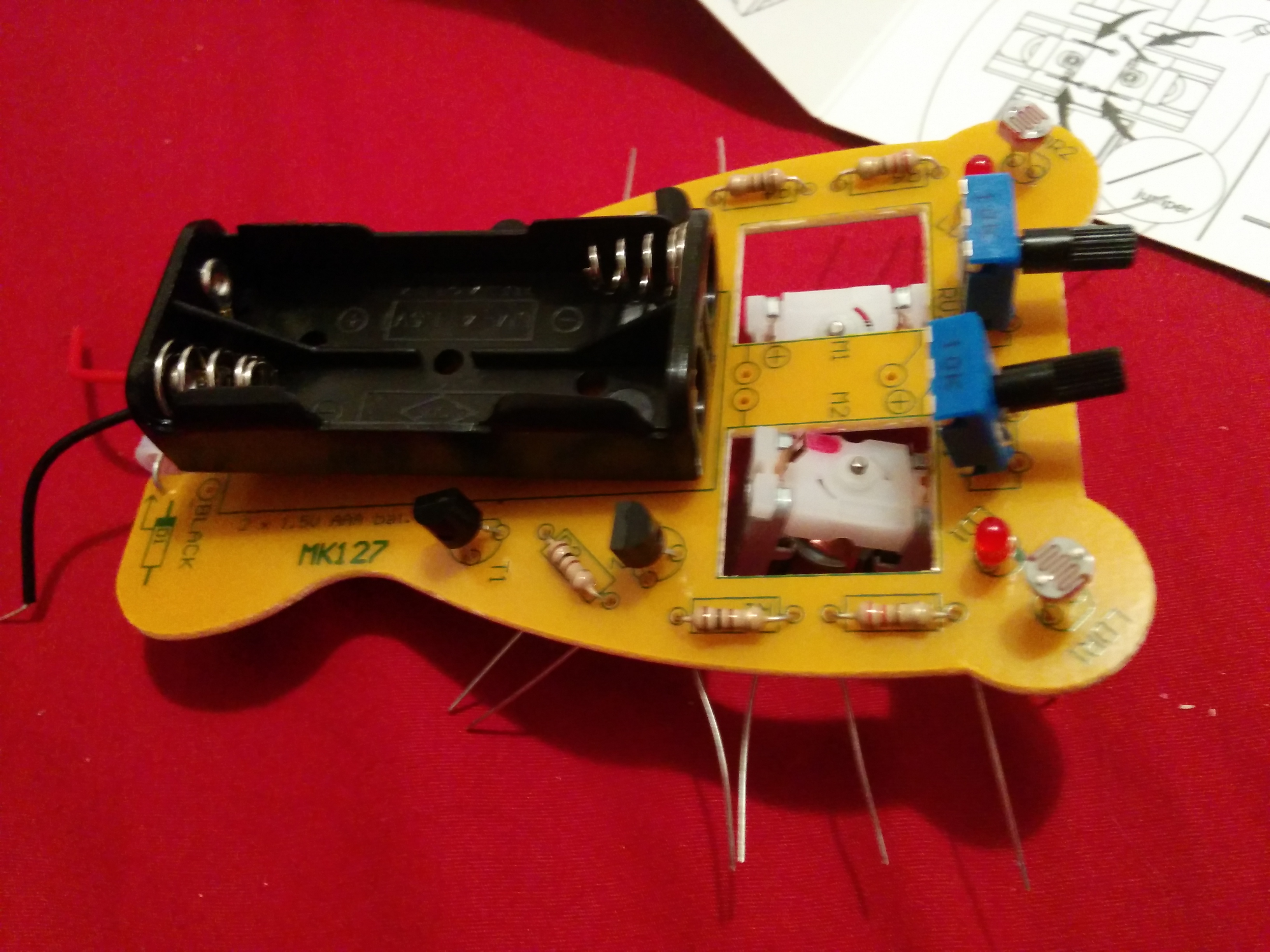
Testing the fit of the components.
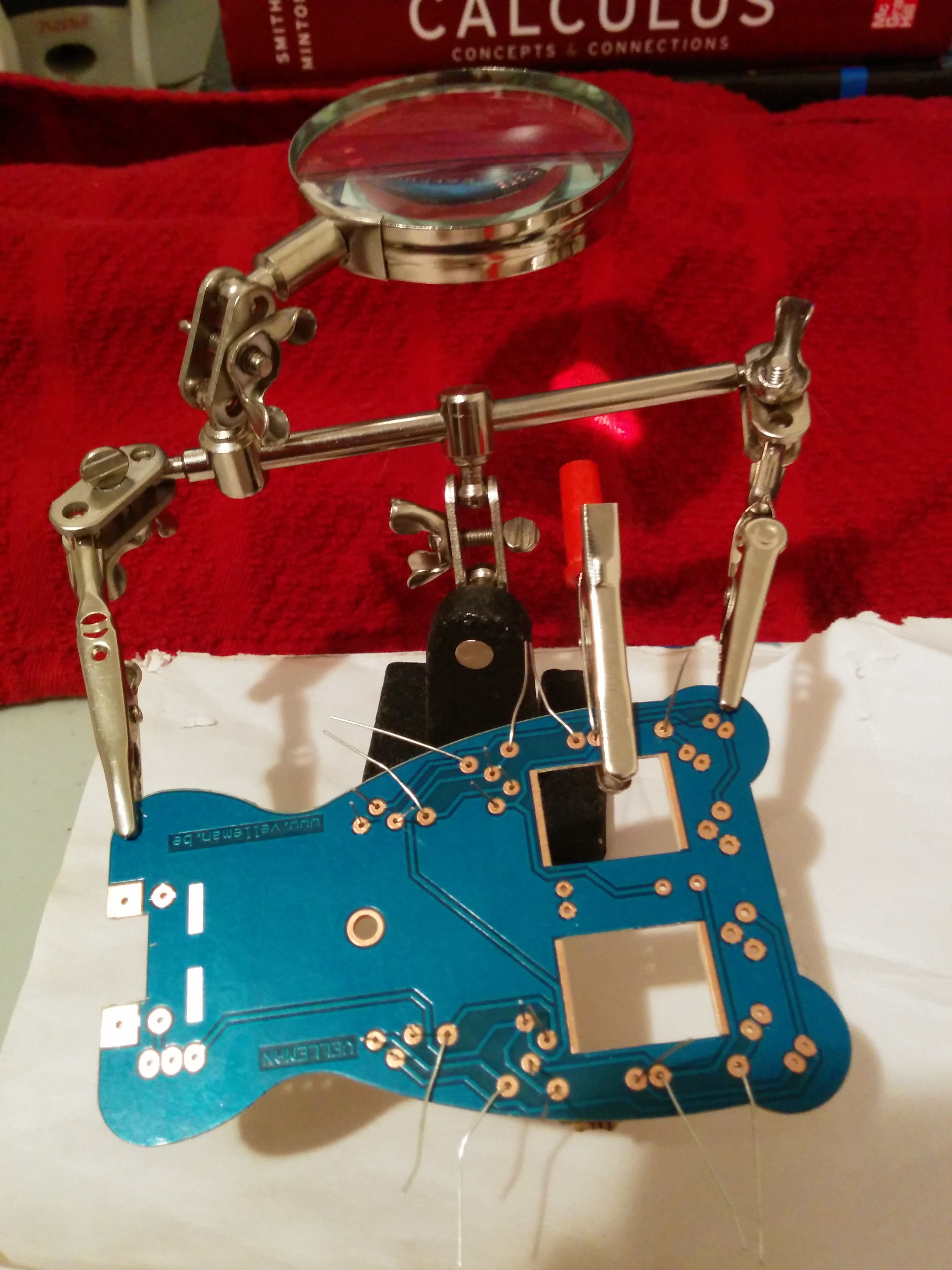
Ready to solder!
Unfortunately, things did not go too well.
I had watched some YouTube tutorials and read some soldering guides to prepare. But, the solder blobbed up and refused to stick to the pads. On one pad, the solder balled up and refused to melt, much to my confusion.
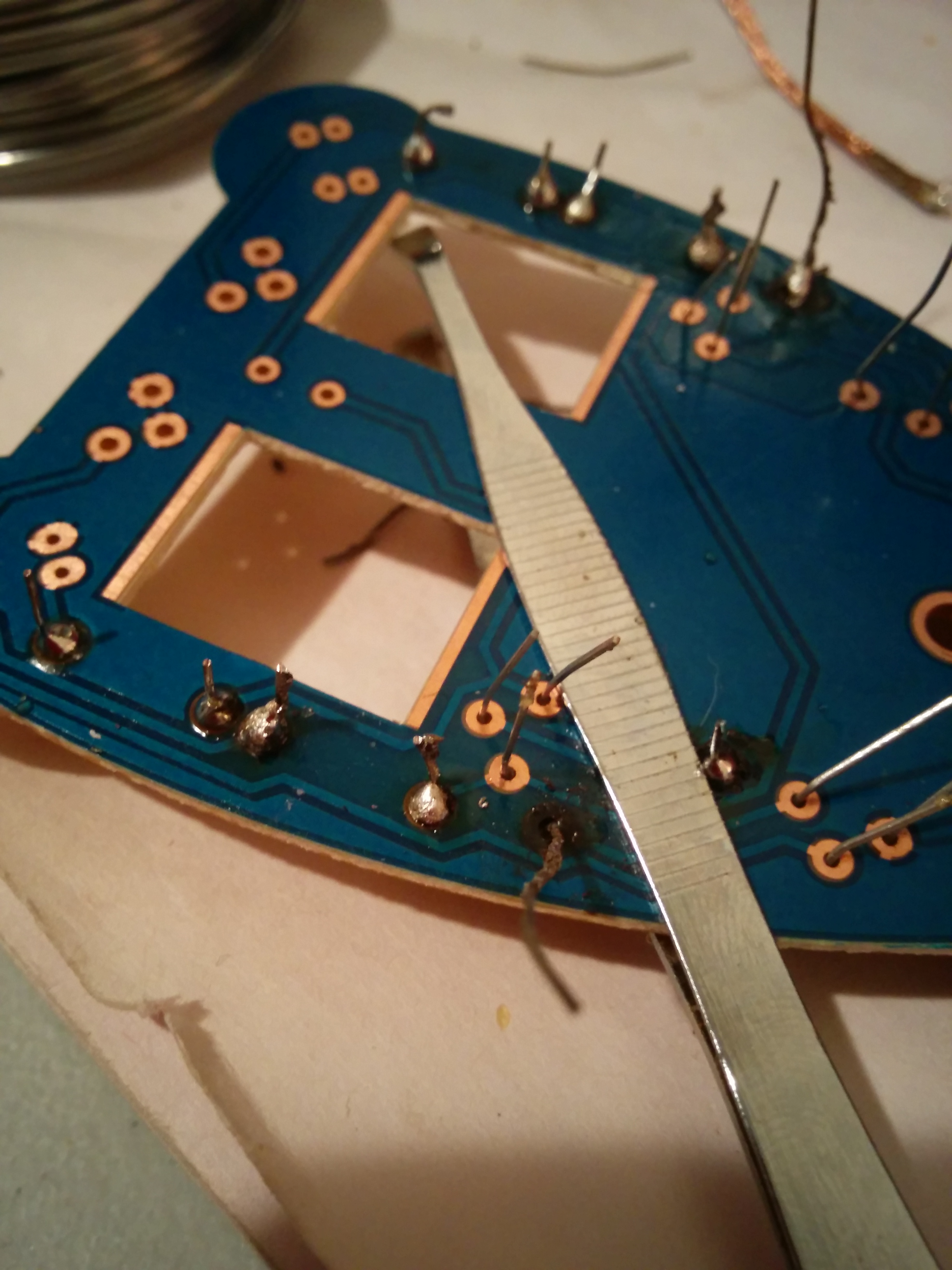
I burned the board so badly that I was sure I’d murdered my bug. All the people I knew who knew how to solder were in Boston. Where could I go for help?
Hack Manhattan
In my search for NYC electronics stores, I’d come across the webpages of several hackerspaces. According to meetup.com, I found that Hack Manhattan has open house sessions every Tuesday and Thursday where anyone could drop by and work on things or just hang out. I decided I’d take my ailing derpbug there and see if anyone would be able to help me figure out what I’d done wrong.
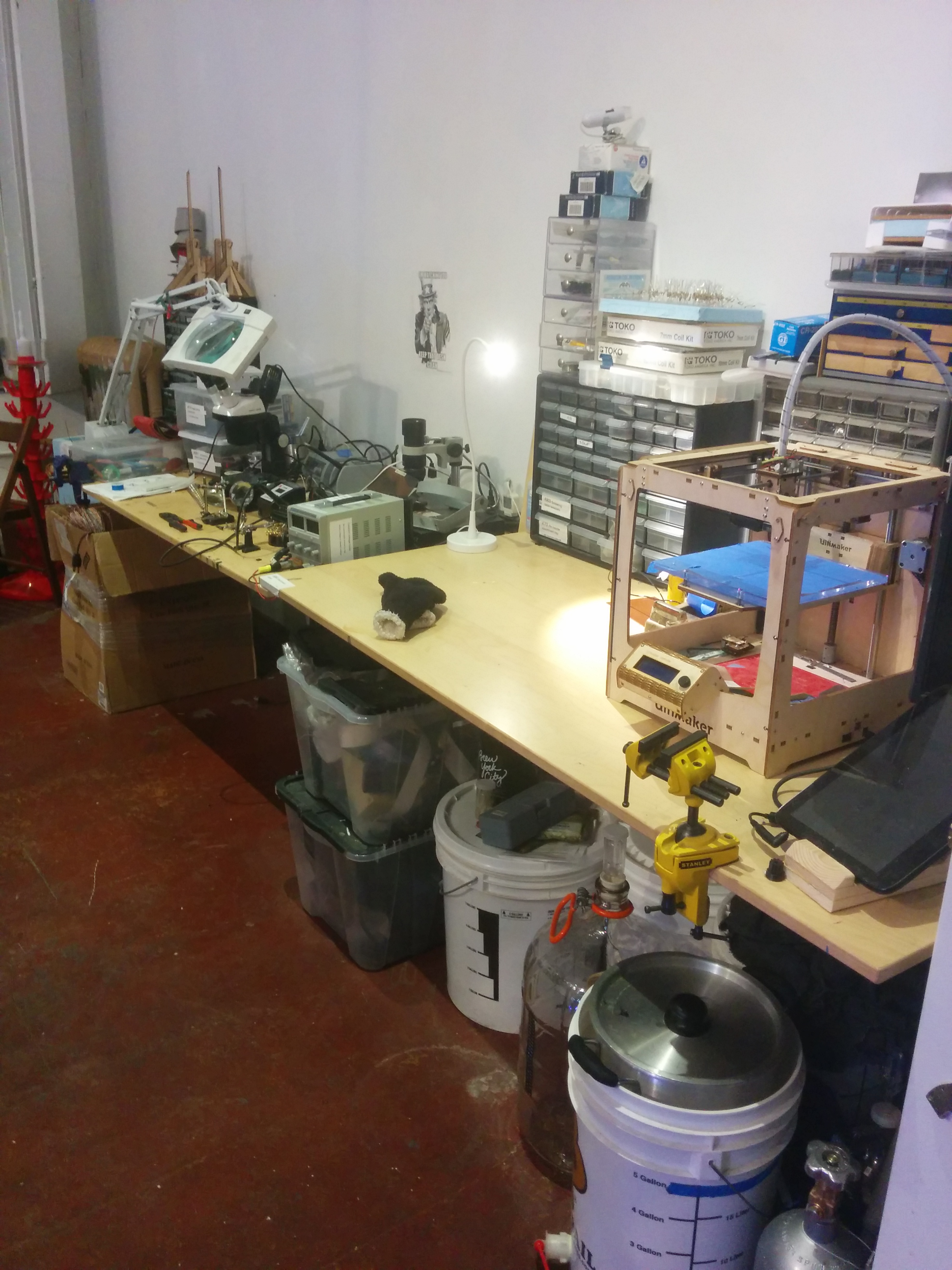
Hack Manhattan electronics bench.
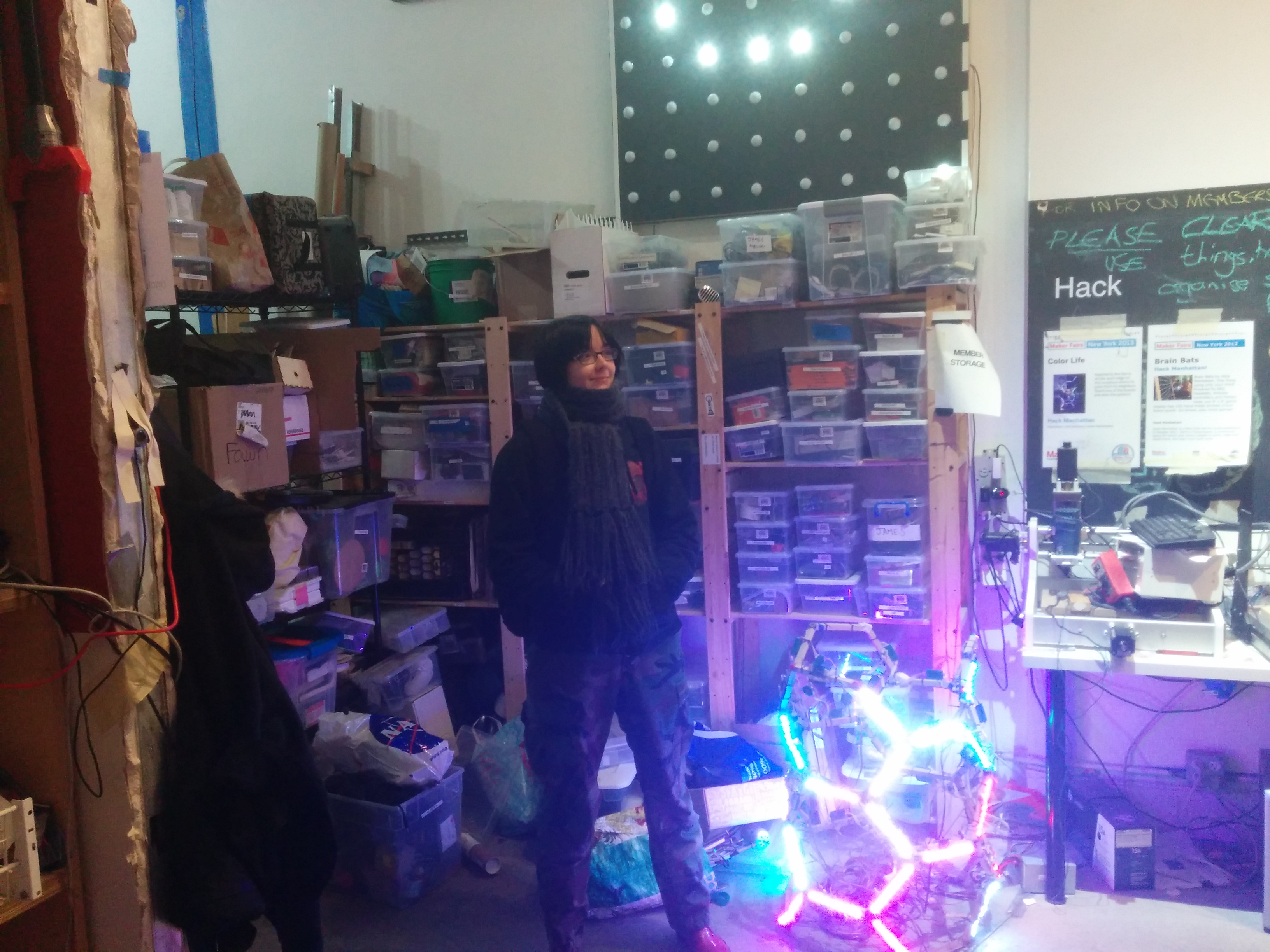
Photo of me with the random glowy thing at Hack Manhattan.
Reviving the derpbug
I showed up and managed to locate someone who was kindly willing to assess my derped bug. I’d brought my own soldering iron, but it turned out there was already one there. One of the people there volunteered to give me a soldering 101 summary (mostly a recap of information I’d already gathered from watching a bunch of YouTube videos before proceeding to nevertheless derp up my bug). I was then given a demonstration on some scrap perfboard.
“Oh, it’s just like hot glue,” I said, remembering my cosplay outfits of yore.
“It’s…nothing like hot glue,” he replied.
Well, I still think it’s like hot glue.
There were a few key things I had missed:
-
The solder I’d bought (0.032”) was too fat. The thinner solder they had there (~0.025”) made things MUCH easier.
-
I had bought the kind of rosin flux that comes in a jar. They had a flux pen there that wet the board when you pressed the tip down. This was a lot more convenient.
-
The “solder” that wouldn’t melt was actually the copper pad from the circuit board. My crappy RadioShack iron had overheated the board badly enough to destroy the adhesive bond holding the pad down, so the pad had detached and then immediately gotten stuck in the solder blob. The hackerspace had a variable-temperature iron and all of the problems I was having virtually disappeared when I used it instead.
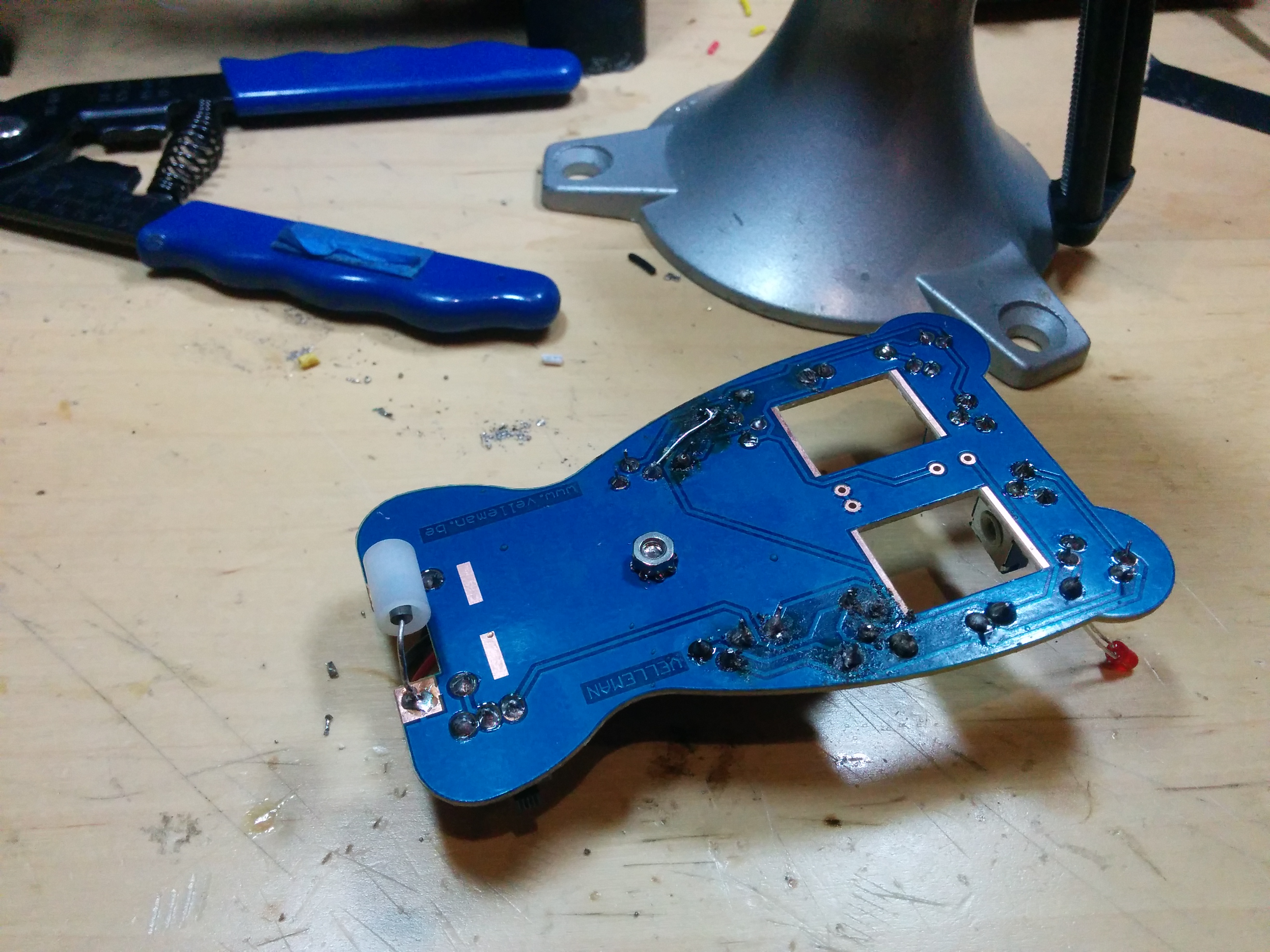
The soldering guy ran a wire to the mangled trace on the board to circumvent the destroyed pad and then let me at it.
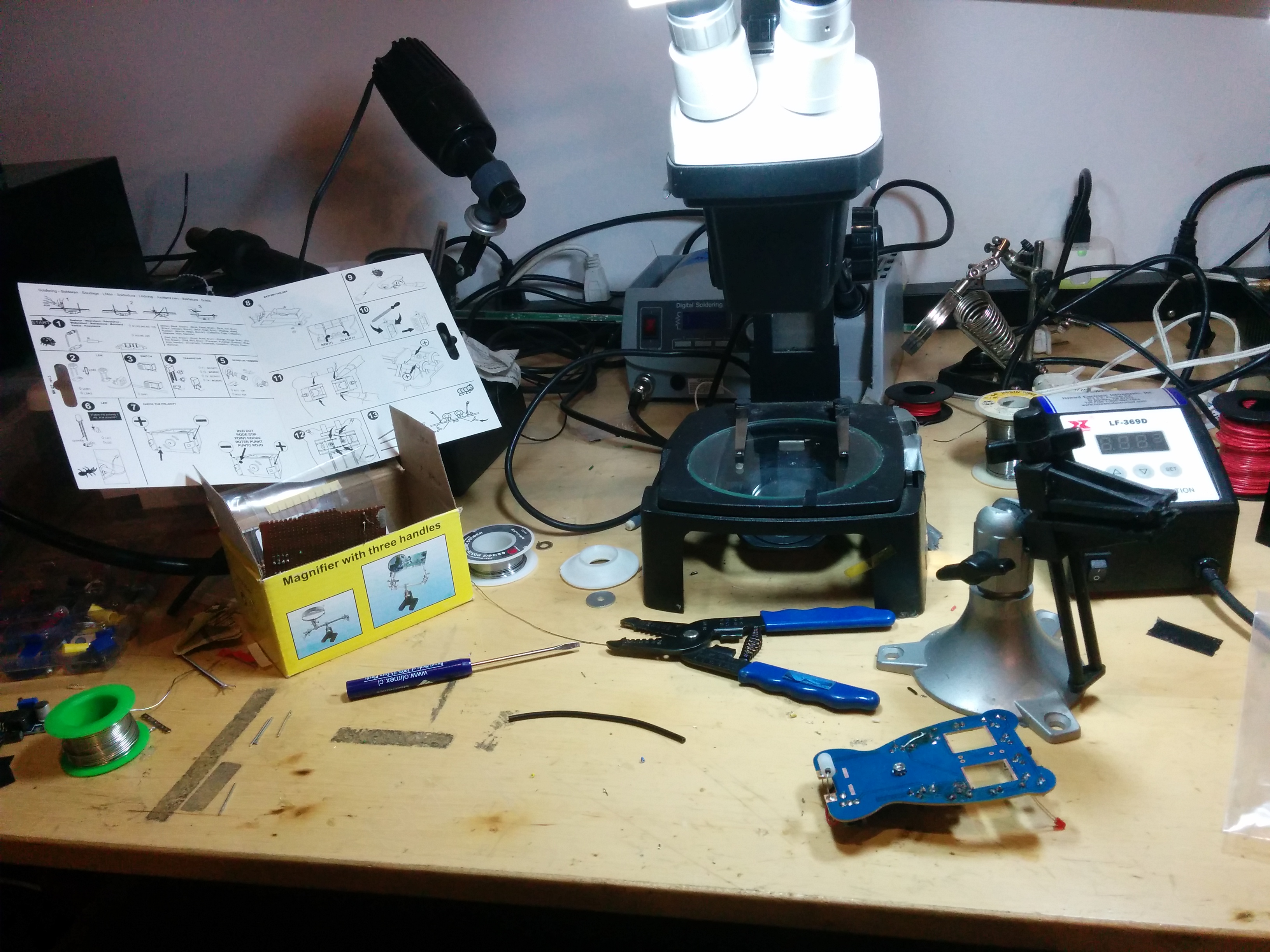
Peacefully working on my derpbug at the Hack Manhattan soldering bench.
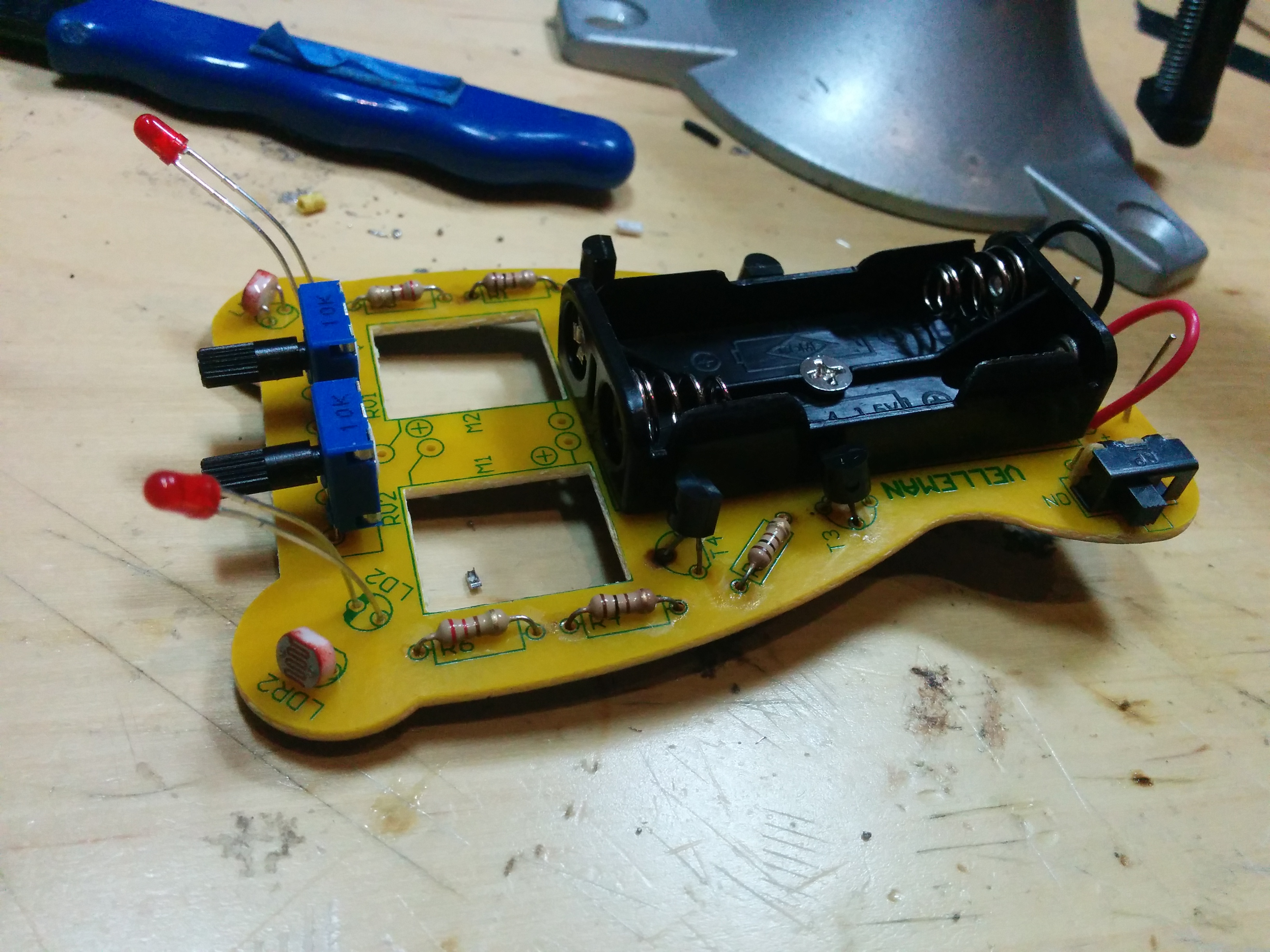
Coming together nicely!
It was great having someone to double-check that I was doing things correctly, too.
Me: Okay, so, there's a diode here and I know that's got to be the right way around.

Soldering guy: Actually, it doesn't matter. It's not even connected to the circuit board.
He was right. Looking at the circuit traces, the diode serves no function except to hold up the little plastic tube that holds the derpbug’s rear end off the ground as it runs around.
This conversation led to another conversation with a different Hack Manhattaner later in the night, who had overheard part of the conversation and become curious. (“I was like, wait, what? The n00b is saying the diode orientation matters, and the experienced guy is saying it doesn’t…?”)
Even better, another engineer there had seen my horrific, innocent-bug-mutilating RadioShack iron and advised me to get a Hakko FX-888D. When I flinched at the price, he told me to come back on Tuesday, and he’d give me his (!) since he didn’t use it much anymore. Suffice it to say, I came back on Tuesday.
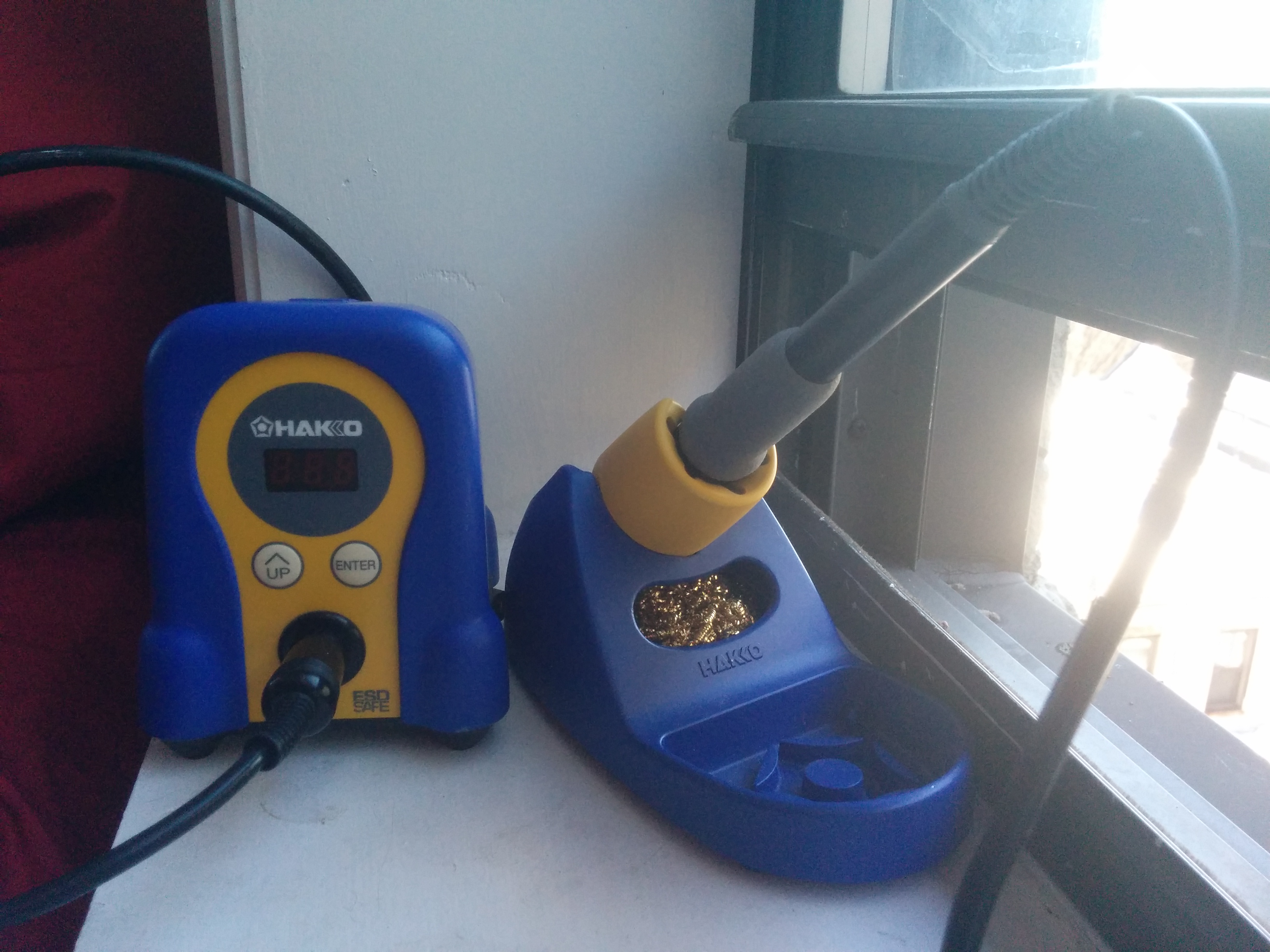
Hot! Literally.
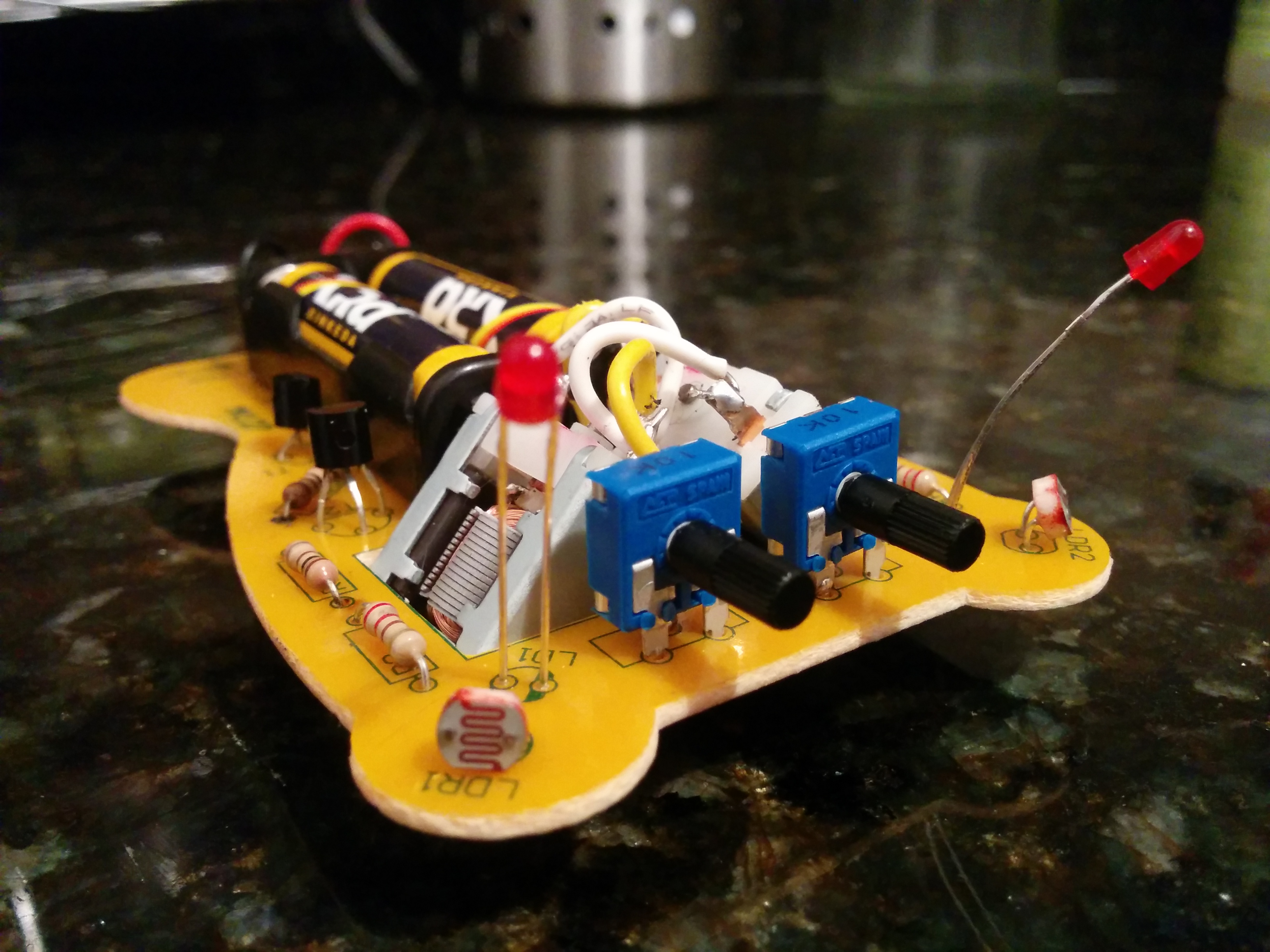
I got a lot of work on the derpbug done on my first visit to the hackerspace, and was able to finish it up rather nicely at home thanks to the FX-888D. However, being somewhat distracted by my soldering iron woes, I wound up wiring the motors backwards. My light-seeking robot instead became a light-avoiding robot. Being a creature of the night myself, I found the way it scooted like a crayfish away from the light rather adorable and decided to try to pass it off as an intentional design choice instead of operator error. (Shhh…)